





Can bidirectional solar inverters support home backup batteries?
- 1. What are the primary functions of a bidirectional solar inverter in a home energy system?
- 2. How do bidirectional solar inverters enhance energy efficiency in residential settings?
- 3. What are the compatibility considerations when integrating a bidirectional solar inverter with home backup batteries?
- 4. How do bidirectional solar inverters contribute to energy independence and backup power during outages?
- 5. What are the potential drawbacks of using bidirectional solar inverters in residential applications?
- 6. How do bidirectional solar inverters compare to traditional unidirectional inverters in terms of functionality and performance?
1. What are the primary functions of a bidirectional solar inverter in a home energy system?
A bidirectional solar inverter serves as a pivotal component in home energy systems by facilitating two-way power conversion:
AC to DC Conversion (Charging Batteries): It converts alternating current (AC) from the grid or a generator into direct current (DC) to charge connected batteries.
DC to AC Conversion (Powering Home Appliances): It transforms stored DC power from batteries into AC power to operate household appliances.
This dual functionality enables efficient energy management, allowing homeowners to store excess solar energy and utilize it during peak demand or power outages.
2. How do bidirectional solar inverters enhance energy efficiency in residential settings?
Bidirectional solar inverters significantly improve energy efficiency through several mechanisms:
Optimized Energy Flow: They manage the seamless transfer of energy between solar panels, batteries, and the grid, ensuring minimal energy loss during conversion processes.
Peak Efficiency: High-quality bidirectional inverters can achieve peak efficiencies exceeding 95%, reducing energy waste and lowering electricity costs.
Load Management: By storing excess energy during low-demand periods and discharging it during peak times, they help balance energy consumption and production, leading to more sustainable energy use.
3. What are the compatibility considerations when integrating a bidirectional solar inverter with home backup batteries?
Ensuring compatibility between your bidirectional solar inverter and home backup batteries is crucial for system performance:
Voltage Matching: The inverter's DC input range must align with the battery bank's voltage to prevent inefficiencies or potential damage.
Battery Chemistry Support: Verify that the inverter supports the specific battery type (e.g., lithium-ion, lead-acid) to ensure optimal charging and discharging cycles.
Communication Protocols: Ensure the inverter and batteries can communicate effectively, often requiring specific protocols for monitoring and control.
Mismatched components can lead to reduced system efficiency and potential operational issues.
4. How do bidirectional solar inverters contribute to energy independence and backup power during outages?
Bidirectional solar inverters play a vital role in enhancing energy independence and providing backup power:
Energy Storage: They store excess solar energy in batteries, which can be utilized during power outages, ensuring a continuous power supply.
Seamless Transition: High-quality inverters can switch to battery power within milliseconds during grid failures, minimizing downtime for critical appliances.
Load Prioritization: They can be configured to prioritize essential loads, ensuring that vital systems remain operational during outages.
This functionality is particularly beneficial in areas prone to frequent power disruptions.
5. What are the potential drawbacks of using bidirectional solar inverters in residential applications?
While bidirectional solar inverters offer numerous benefits, there are some considerations to keep in mind:
Higher Initial Cost: The advanced technology and dual functionality can result in a higher upfront investment compared to traditional inverters.
Complex Installation: Integrating these inverters with existing solar systems may require professional installation and potential system modifications.
Maintenance Requirements: Regular maintenance is essential to ensure optimal performance, which may involve additional time and costs.
It's important to weigh these factors against the long-term benefits of energy efficiency and backup power capabilities.
6. How do bidirectional solar inverters compare to traditional unidirectional inverters in terms of functionality and performance?
Bidirectional solar inverters offer several advantages over traditional unidirectional inverters:
Two-Way Power Flow: Unlike unidirectional inverters that only convert DC to AC, bidirectional inverters can also convert AC to DC, enabling energy storage and grid interaction.
Enhanced Energy Management: They allow for more sophisticated energy management strategies, such as peak shaving and load shifting, leading to cost savings and improved system performance.
Grid Interaction: Bidirectional inverters can feed excess energy back into the grid, potentially earning credits or compensation through net metering programs.
These features make bidirectional inverters more suitable for modern energy systems that prioritize efficiency, storage, and grid interaction.
In conclusion, bidirectional solar inverters are integral to modern home energy systems, offering enhanced energy efficiency, storage capabilities, and backup power solutions. When selecting a bidirectional inverter, consider factors such as compatibility with existing equipment, energy management features, and potential integration with home backup batteries to ensure a reliable and efficient energy system.
For personalized advice and a detailed quote tailored to your specific needs, please contact us at info@csinverter.com or visit our website at www.csinverter.com.


Modified Sine Wave Inverters
Can it be connected to a battery long-term?
Yes, ensure good ventilation to avoid overheating.
Does it support inductive loads?
Modified sine wave inverters are suitable for resistive loads; for inductive loads, pure sine wave models are recommended.
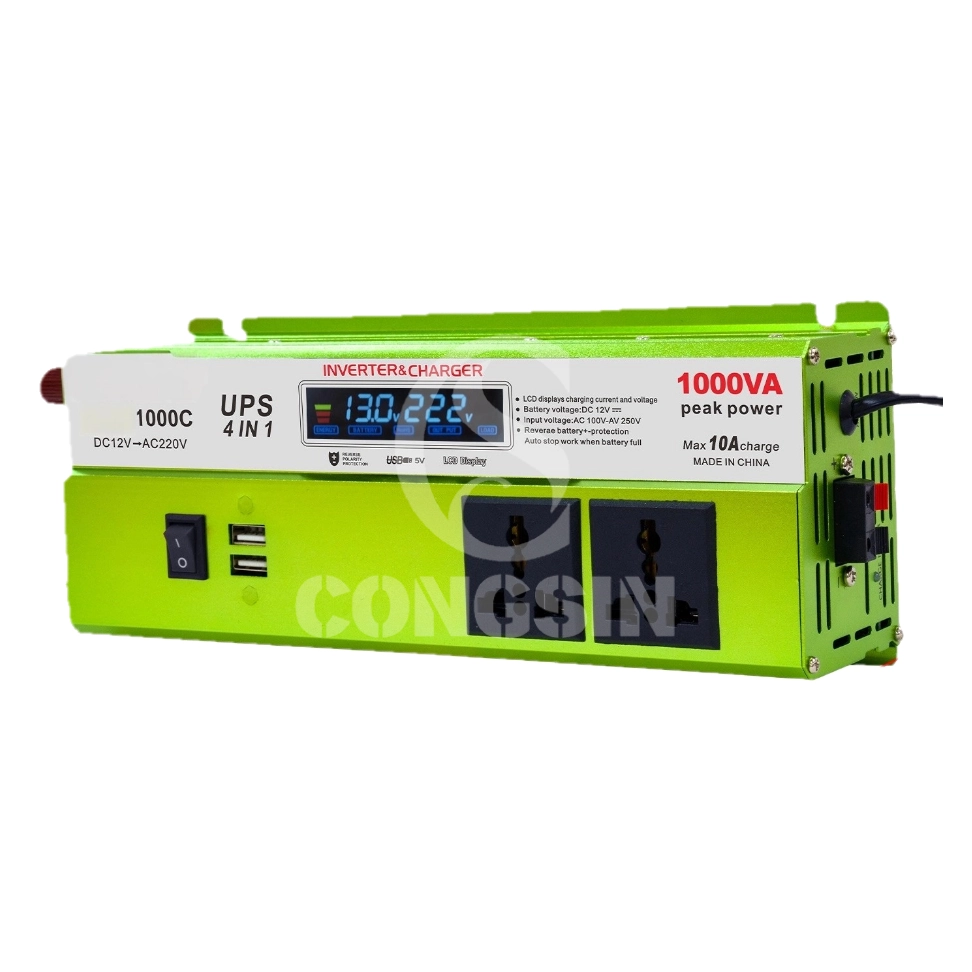
How does the UPS function of this inverter work?
When the external power supply is normal, the inverter powers the device while charging the battery; when the external power supply is interrupted, it automatically switches to battery power to ensure uninterrupted operation of the device.
Can this inverter run a refrigerator or power tools?
Recommended load ≤80% of rated power. For inductive loads, use a pure sine wave model.
Pure Sine Wave Inverters
Is the remote control standard?
It’s optional and available upon request.
Get in Touch with Our Team
You can also communicate with us directly through our online contact form. Please fill in the following information, and our team will contact you as soon as possible after receiving your message.

CONGSIN is a trusted OEM factory for power inverters, solar charge controllers, and DC converters. Reliable solutions for global B2B buyers.
 High Quality
 7/24 Service
 Guaranteed Warranty
© 2025 Congsin. All Rights Reserved.